Alcohol and Drugs Rules for Professional HGV Drivers
Legal limits, company zero-tolerance policies, and overnight residual alcohol all sit on the same risk: if you are unfit, do not take the keys — report it early.

Latest news, guides and updates for professional HGV drivers.
Legal limits, company zero-tolerance policies, and overnight residual alcohol all sit on the same risk: if you are unfit, do not take the keys — report it early.

Cameras, police, and client audits still catch HGV drivers without a belt. Comfort on a familiar run is not a legal exemption.
Overloaded axles and over-gross vehicles are not a “warehouse problem only”. If you know the load is illegal and you move it, you own part of the risk.
Points on a car licence hurt; points on the vocational categories that pay your mortgage can end the job. Know your total, report endorsements, and do not treat “minor” offences as free.
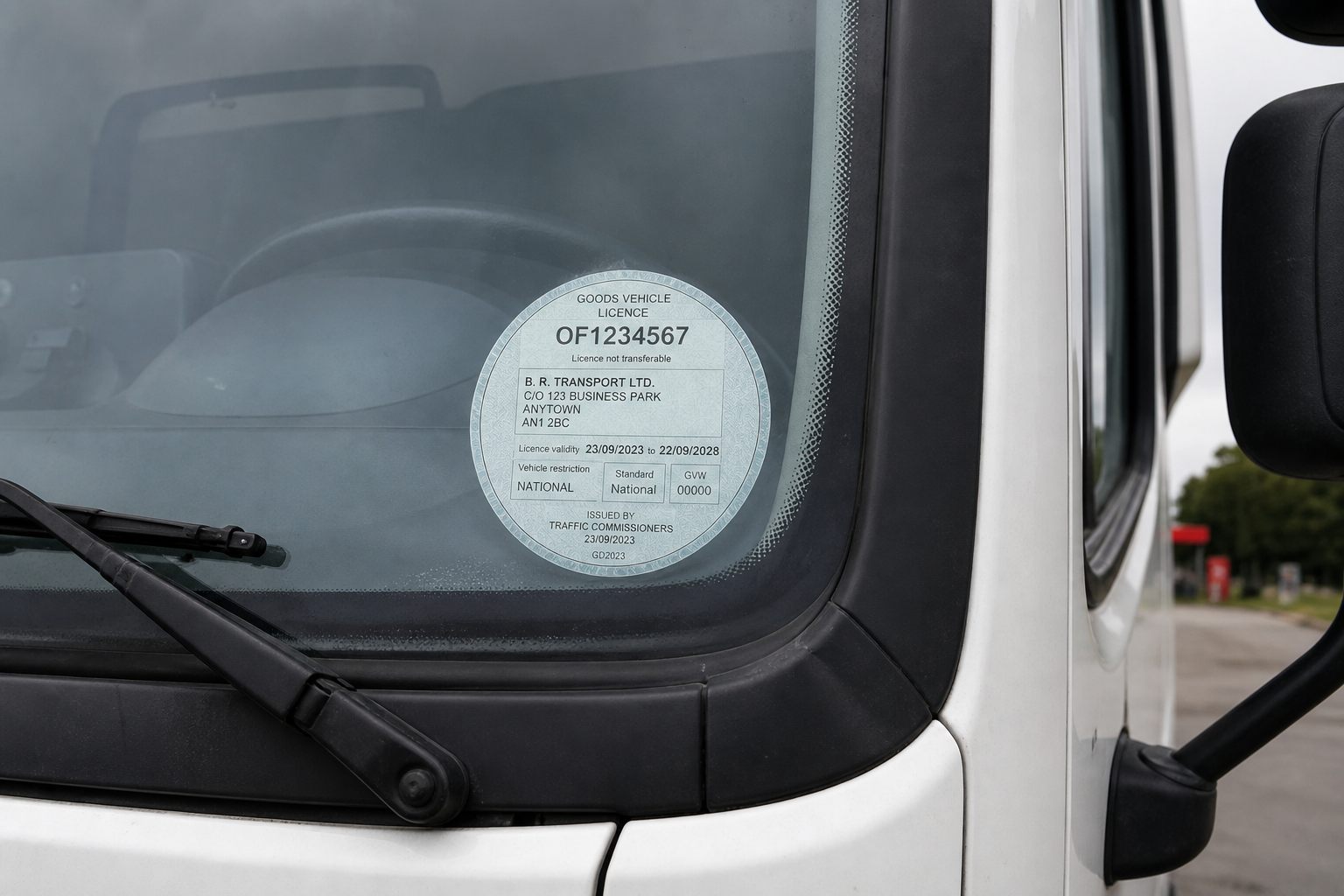
The O-licence disc is not decoration. Before you move a goods vehicle, confirm the disc is present, current, and matches the operator you work for.
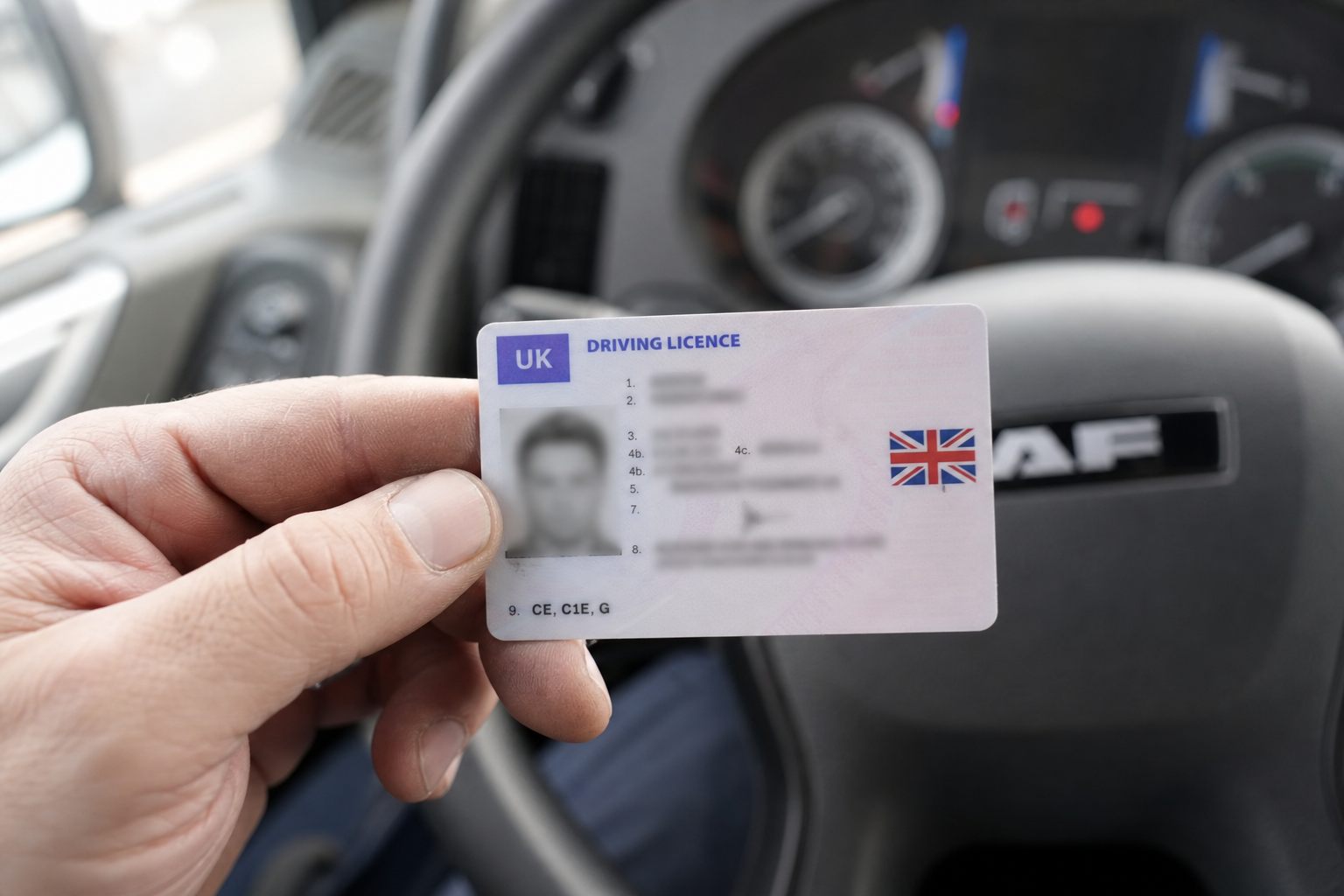
A stop goes faster when your licence, Driver CPC card, tachograph card, and the paperwork your operator expects are ready — not buried under receipts.
Hours and tachograph breaches can attract graduated fixed penalties at the roadside. Stay calm, produce records, and leave the legal argument for later with your operator — not mid-stop.
Your card must be downloaded on a legal schedule — commonly at least every 28 days. That is mainly an operator process, but drivers who never present the card create lockouts, gaps and roadside pain.
International haulage rules push regular connection with home or the operator’s base around weekly rest cycles. This is a planning duty shared with the operator — not a free “go home whenever” button for drivers.
Not every weekly rest can be spent in the bunk. Regular weekly rest has tighter expectations about where you take it — know the difference before you plan a week around the cab.
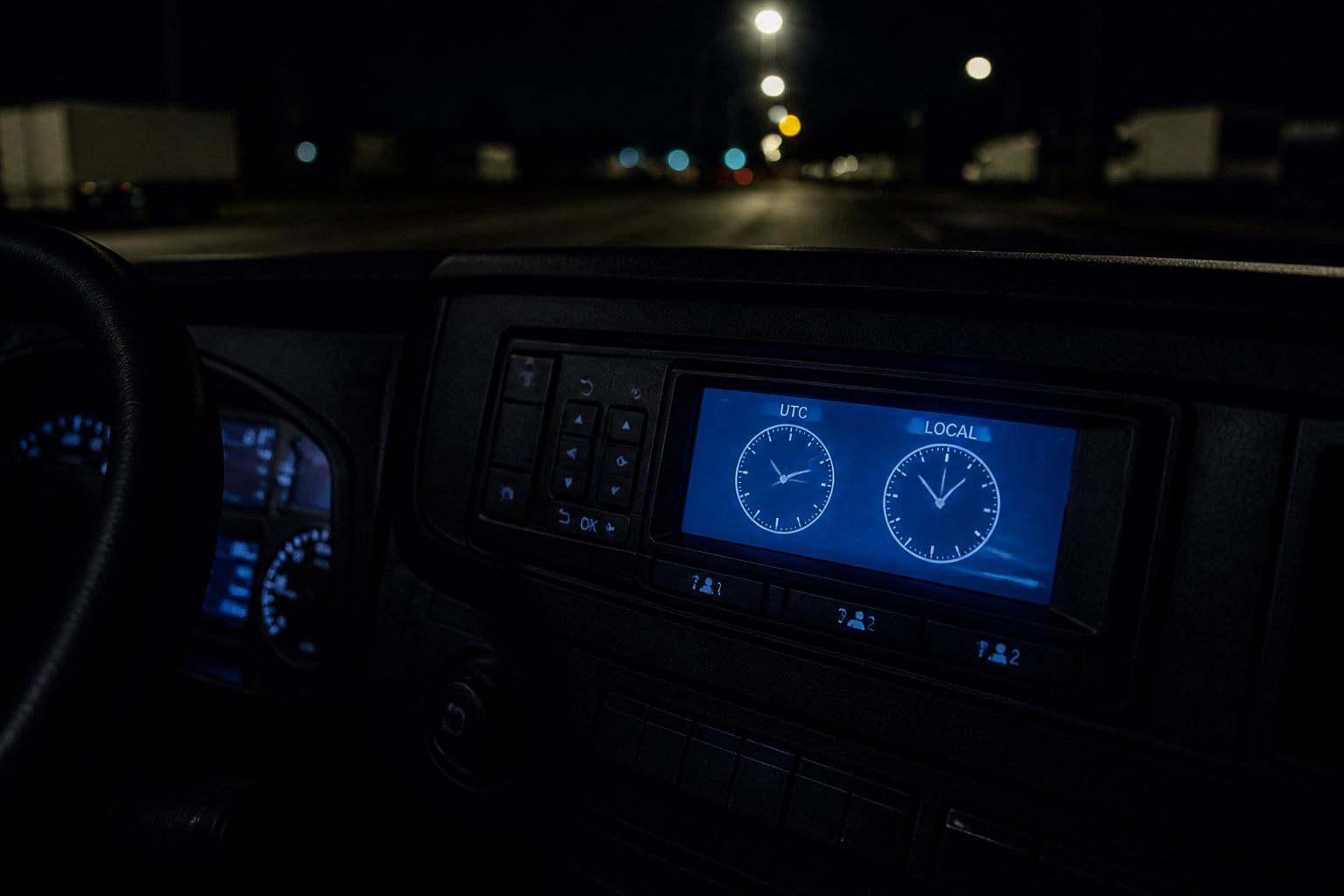
The unit’s legal record runs on UTC. What you see as “local time” on the screen is for convenience. Confusing the two is a classic source of “my rest looks short” arguments.
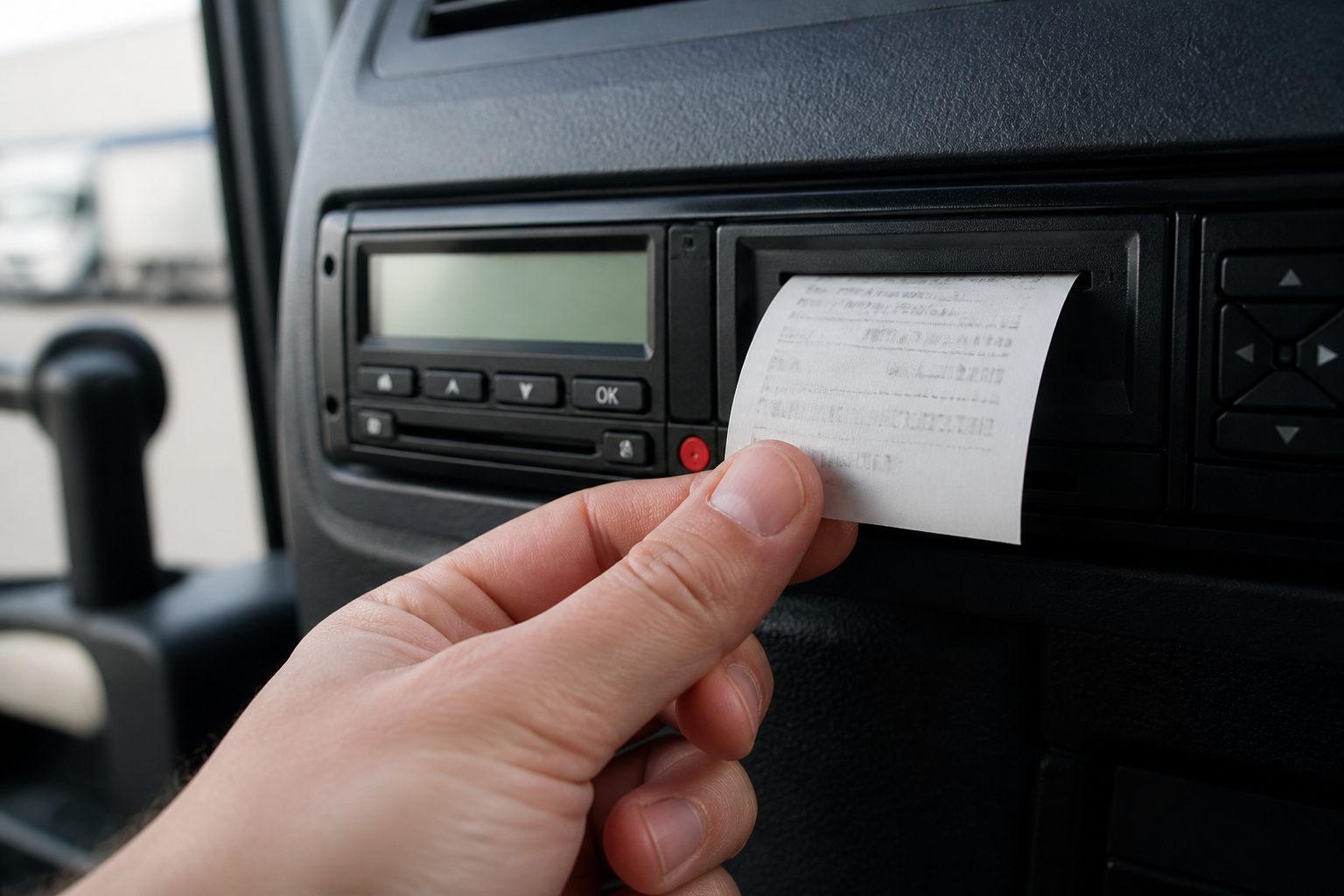
If the officer cannot read your card or the vehicle unit cleanly, you may be asked for printouts. Know how to produce them, what they show, and do not throw them away after the stop.
Emission zones are local rules with real charges and enforcement cameras. Before you enter, know whether today’s truck is compliant or needs a daily charge — guessing is expensive.
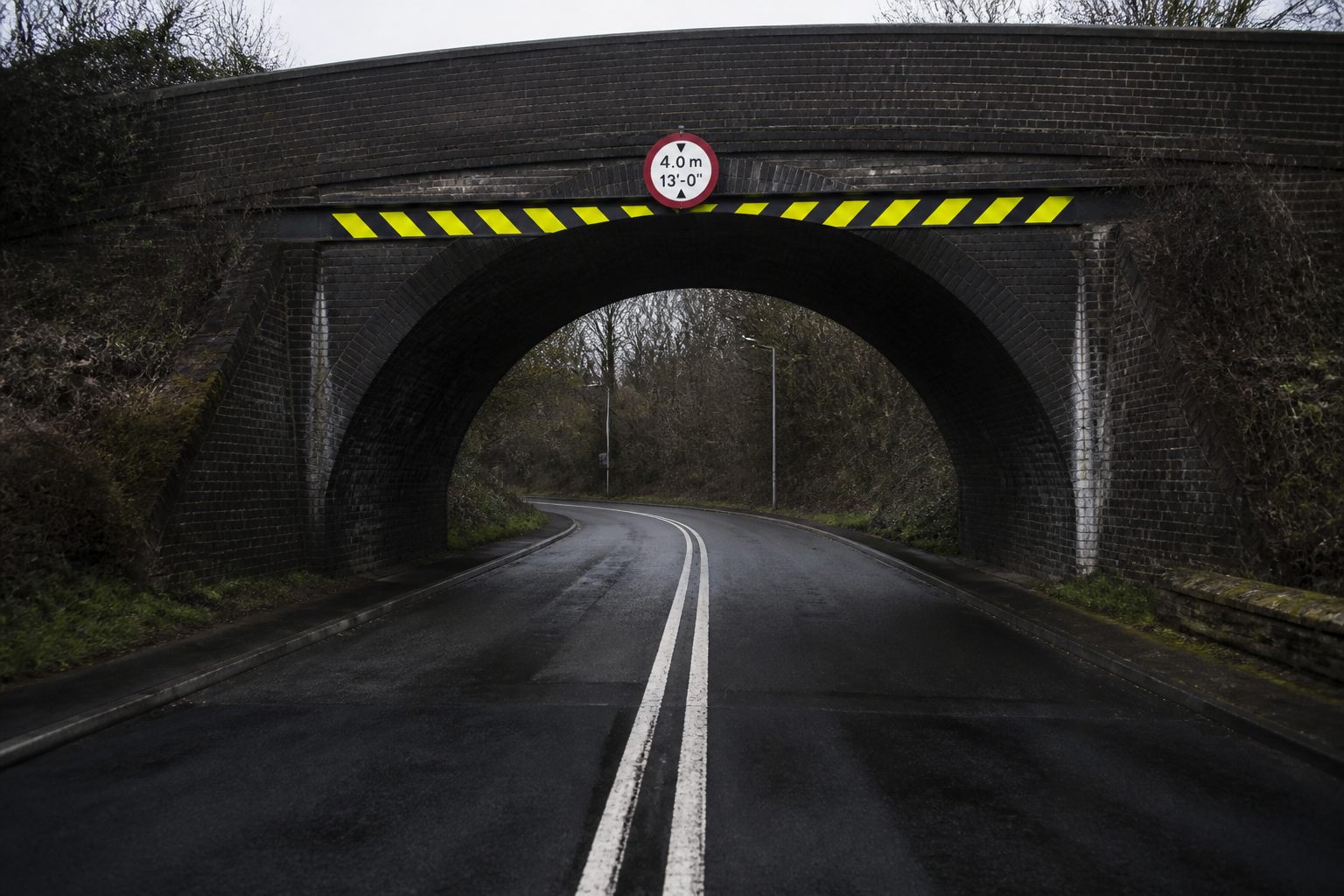
Bridge strikes are almost always preventable: wrong height assumed, sat-nav for cars, ignored signs, or “it looked high enough”. Know the combination height before you move.
If the walkaround finds a fault, your job is to report it and not take an unsafe vehicle onto the road. A prohibition notice makes that stop official — ignore either and you own the risk.
Your vocational HGV entitlement depends on meeting Group 2 medical standards and renewing on time. An expired medical is not a paperwork inconvenience — it is a stop-driving event.