The 6×24 Rule: When the Next Weekly Rest Must Start
The next weekly rest must start within 144 hours of the last one ending — six 24-hour periods, not “by Sunday night”. Here is that clock on its own.

Latest news, guides and updates for professional HGV drivers.
The next weekly rest must start within 144 hours of the last one ending — six 24-hour periods, not “by Sunday night”. Here is that clock on its own.

Every site has its own one-ways, PPE, and dock rules. Five minutes of induction beats a damaged door, a near-miss, or a banned registration.
The hard shoulder and refuge areas are for emergencies and directed stops — not coffee, not phone calls, not “quick rest”. If you must stop, make the vehicle visible and get help early.
Empty curtainsiders and exposed bridges are a bad mix in gusts. Slow down, both hands on the wheel, and be ready to park when the operator or road signs say so.
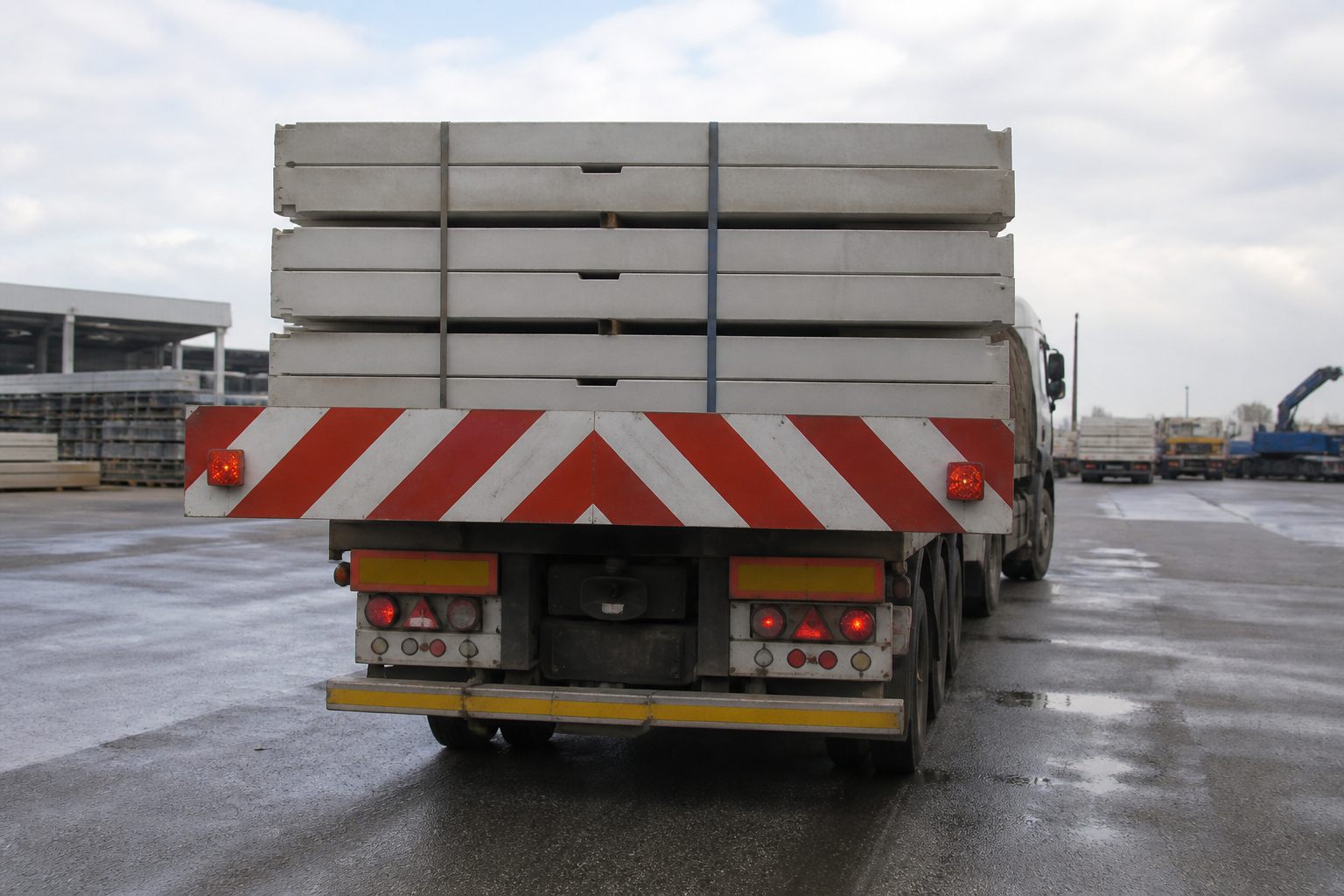
If the load sticks out beyond the vehicle, assume it may need proper marking. Check length and side projections before you leave — unmarked overhangs are easy roadside stops.
After a bang: protect life and the scene, exchange required details, call the operator, and write facts while they are fresh — not opinions for social media.
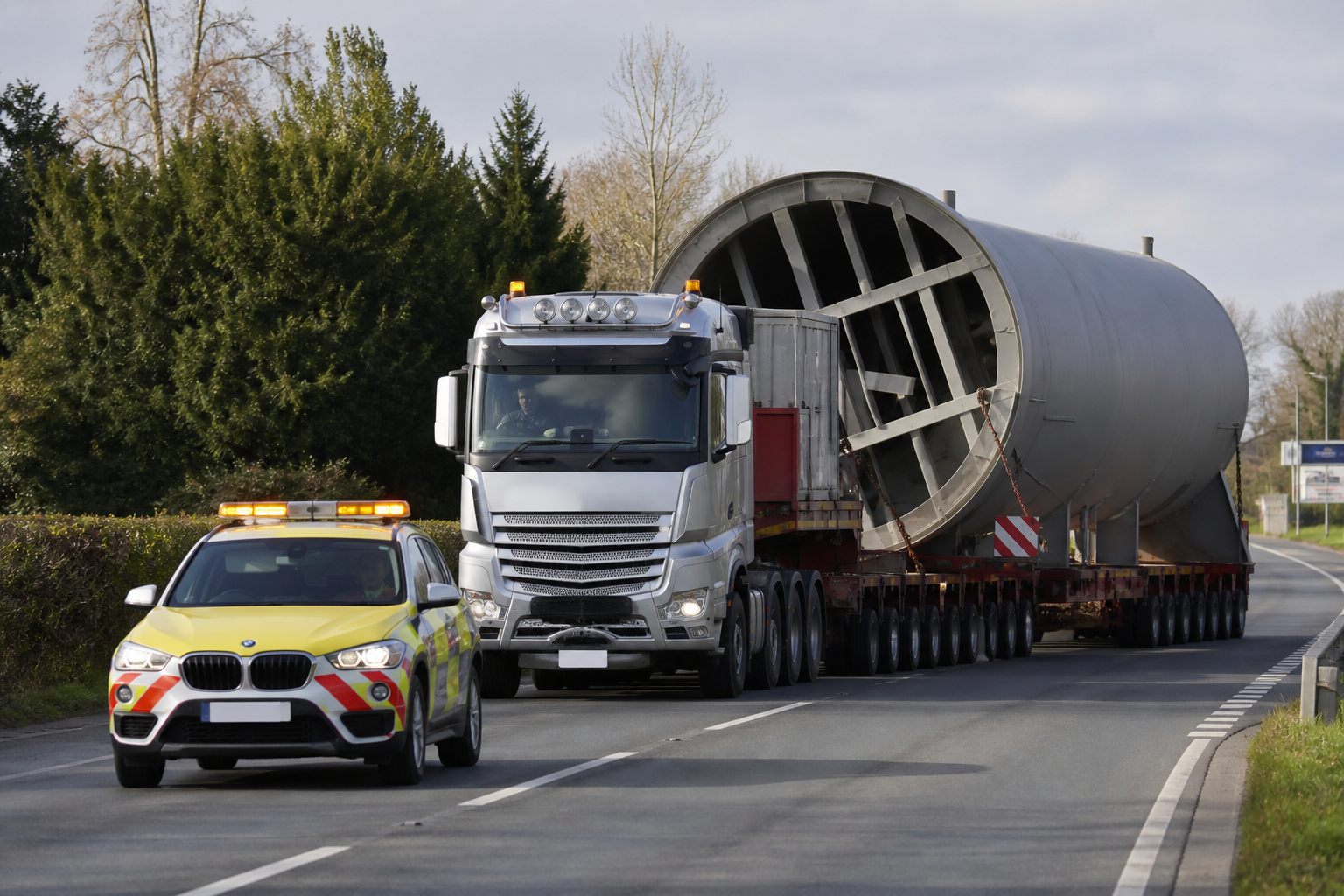
If the load is wider, longer, or heavier than normal limits, assume special rules apply. Confirm paperwork, escorts, and route before you move — do not improvise.
Fog shrinks your stopping distance and other drivers’ ability to see an artic. Slow earlier, use the right lights, and park up when you cannot see a safe gap.
Where you stop for the night matters as much as how long you rest. Prefer lit, busy parks; lock down the cab; and never leave keys or cards on the dash.
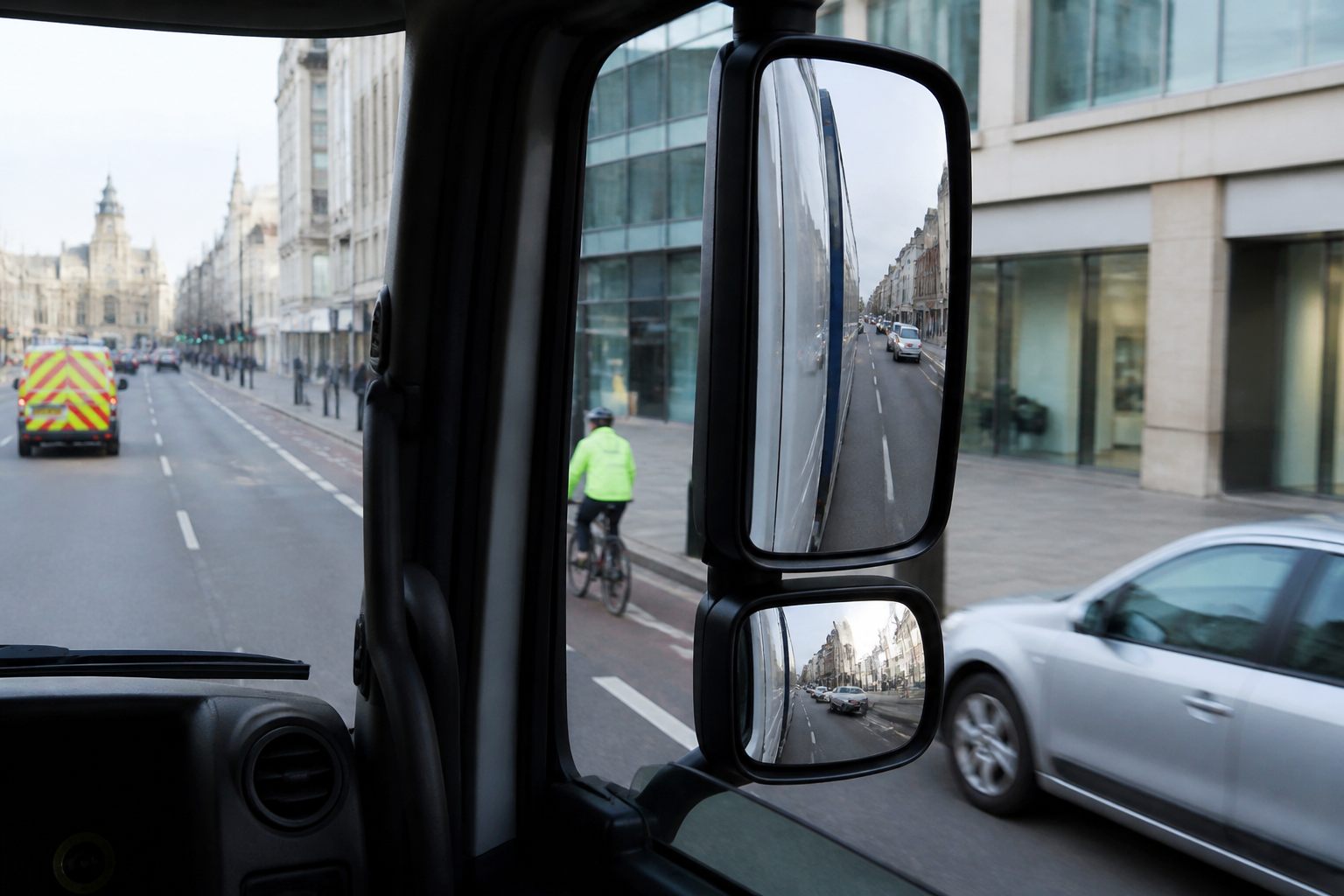
Blind spots are predictable. Clear mirrors, slow pull-aways, and assuming a cyclist is there until you prove otherwise prevent the worst urban incidents.
A banksman only helps if you both use the same rules: one director, clear signals, and an immediate stop when you lose sight or confidence.
Winter does not rewrite drivers’ hours, but it does rewrite safe speed and whether the job should start. Space, brakes, and an early call beat heroics on black ice.
Cabotage limits how many domestic jobs you can do after crossing a border. If traffic pushes an extra local load outside the rules, the risk lands on the vehicle — and often on you.
Orange plates are not decoration. If the load is under ADR, you need the right qualification, equipment, and paperwork — or you refuse the job.
The limiter is a legal device, not a suggestion. Tampering, bypass tricks, or ignoring a fault can cost you and the operator far more than arriving a few minutes later.
Most coupling failures are rushed habits, not mystery faults. Slow down, confirm the lock, connect services, raise legs, and walk round before you pull.