Minimum Legal Tyre Tread Depth for Trucks and Trailers in Europe
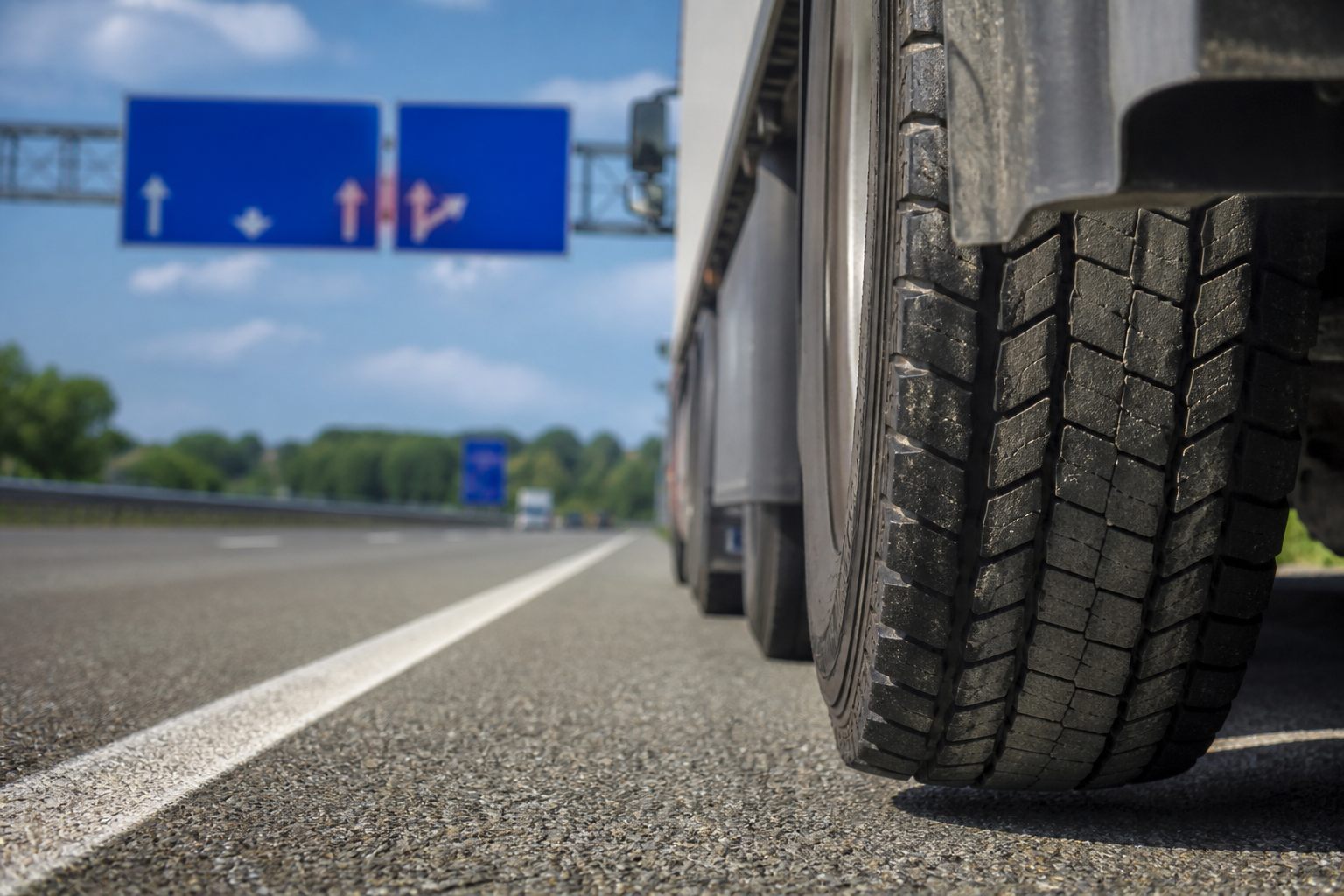
The common European floor: 1.6 mm
In most European countries, the legal minimum tread depth used for trucks, trailers and other heavy vehicles is 1.6 millimetres in the main grooves, around the tyre.
That figure is the usual baseline drivers meet at roadside checks on the continent. It is not the domestic minimum (Great Britain uses a different legal floor for HGVs). Keep the two systems separate when you plan tyre changes-only versus international work.
All axles count
Enforcement does not care that a worn tyre “is only on the trailer”. Drive, steer, trailer and lift/tag positions that are in use on the road can put the combination out of compliance if tread is below the legal minimum or the tyre is damaged.
Seasonal and national extras
The 1.6 mm baseline does not mean every country is identical all year. Some states add winter rules: mandatory winter equipment in defined periods, or higher practical/minimum tread expectations in snow and ice conditions (sometimes discussed in the 3–4 mm range for winter use).
If your work crosses borders in winter, check the current requirement for the countries on that week’s route before you leave — do not rely on last year’s depot rumour.
What non-compliance can cost
Outcomes vary by country, but typically include on-the-spot fines, immobilisation until a tyre is replaced, delay to the load, and follow-up cost for the operator. International work multiplies downtime because a local tyre size or workshop slot may not be available immediately.
Operating above the legal floor
1.6 mm is a legal minimum, not a performance target. Many European fleets change earlier for wet grip and to avoid failing a check with a tyre that was “almost legal” at departure and illegal after a long motorway stage.
Driver checks that matter on international work
- Gauge the worst tyre on the combination, not the best.
- Look for damage after rough sites and mountain descents.
- If you are close to 1.6 mm before a multi-country trip, change before departure.
Cross-border compliance on tyres is mostly discipline: know the floor you are operating under this week, and do not gamble a load on a tyre that is already at the edge.
What to remember
Across much of Europe the common legal floor is 1.6 mm. Cross-border drivers also need seasonal extras — without treating every country as identical.
Read the article through before you apply the rule on the road. Figures and exceptions change. If your operator’s procedure or a roadside check says something different from a web summary, follow the written procedure and official sources (DVSA, DVLA, GOV.UK, and the regulation that applies).
For “Minimum Legal Tyre Tread Depth for Trucks and Trailers in Europe”, keep the practical chain: check before you leave, record correctly on the tachograph or in documents, tell planning when something does not add up, and do not move the vehicle if you know it is illegal or unsafe.
If a colleague, customer or short message asks you to skip a check, ask for it in writing. Stopping on time and a call to the desk costs less than a penalty, a prohibition, or a collision.


Comments
No comments yet. Be the first to comment.
Sign in to comment.
Sign in