Multi-Manning (Double Crew): What Changes for HGV Drivers?
What multi-manning means
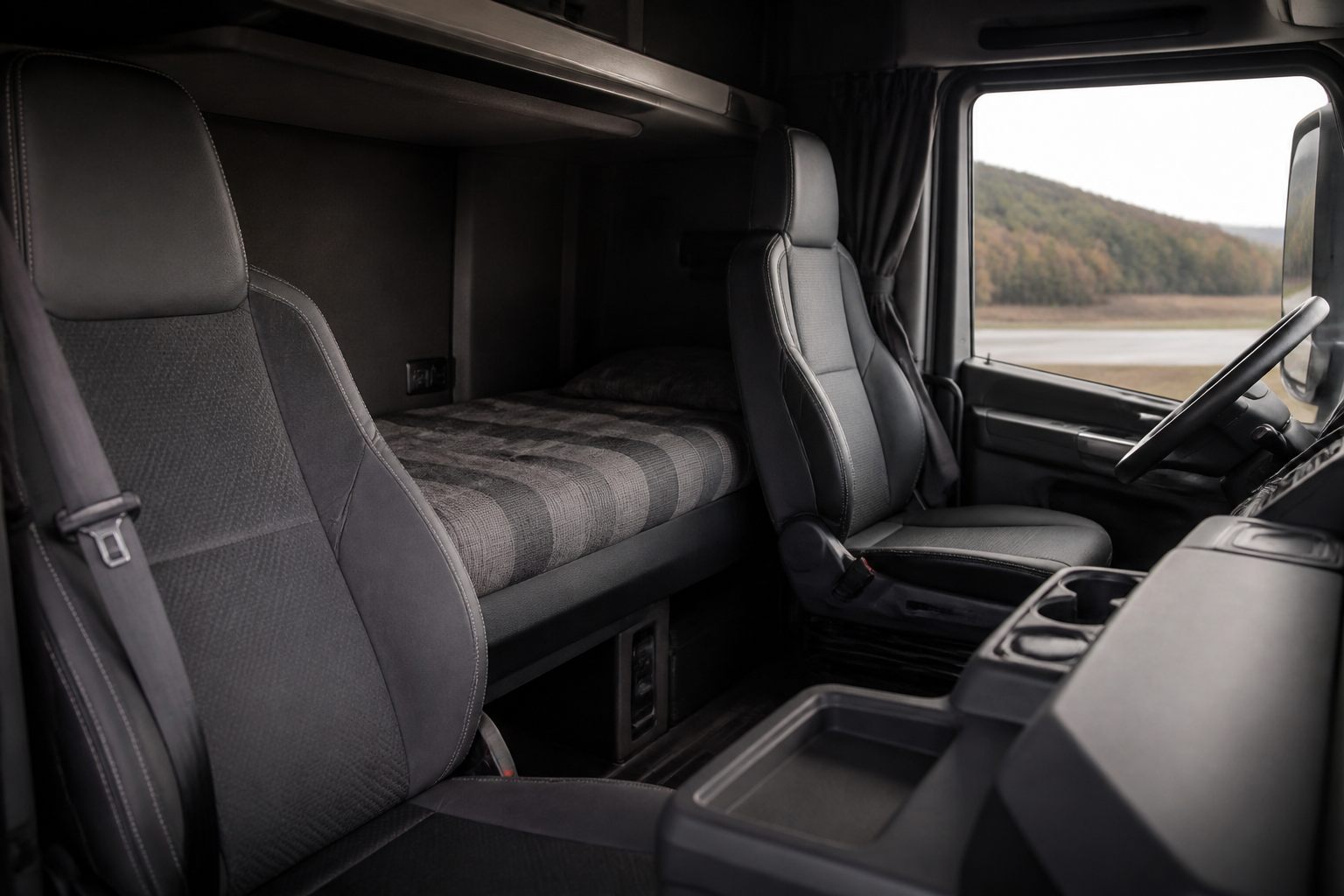
Under assimilated drivers’ hours rules, multi-manning (double crew) is when at least two drivers are available to drive the same vehicle and organise the duty so each can take the required rest while the vehicle continues its journey under the multi-manning provisions.
This article covers that multi-manning arrangement only — not every other daily-rest option.
Both driver cards must be in
Each driver uses their own card. In practice on a digital/smart tachograph:
- the driving driver is in slot 1
- the second driver inserts their card in slot 2
For the duty to count as multi-manning, the second driver normally needs their card in within the first hour of the shared duty. If the second card is late or missing, analysis often treats the day as single-manned — and the rest/window you planned may no longer fit.
The 30-hour window
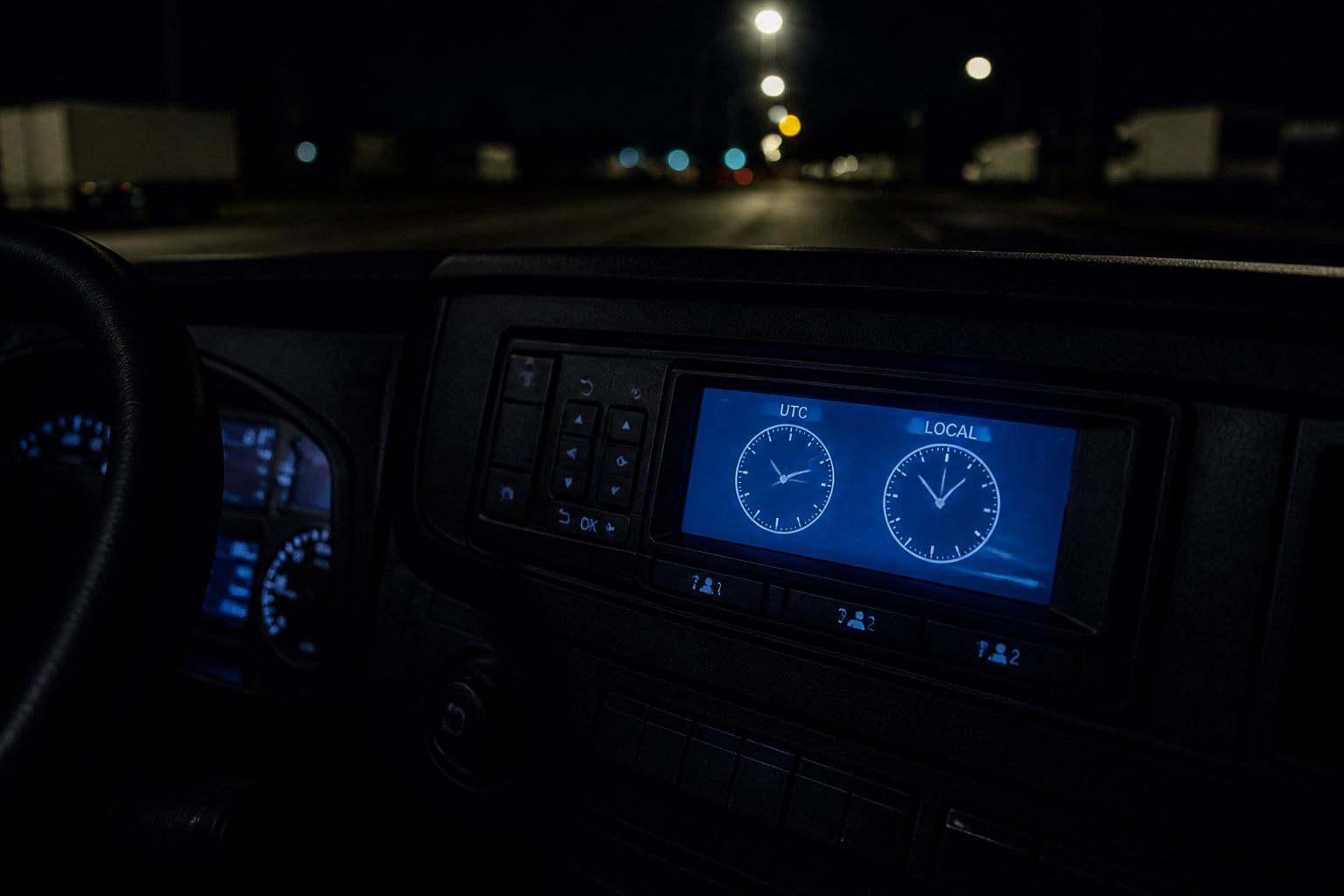
In a valid multi-manning duty, each driver must be able to take a daily rest of at least 9 consecutive hours within a period of 30 hours from the end of their previous daily or weekly rest (the multi-manning daily-rest window used in practice under 561/2006).
That is the core trade-off: a longer available duty window than a typical single-manned day, in exchange for a real second driver and correct recording — not a paper passenger.
What the off-duty driver must not do
While the vehicle is moving, the non-driving crew member must not perform work that breaks the idea of being available as the second driver on rest/availability as required. Navigation “help”, paperwork as work, or acting as an unpaid second worker while supposedly on the multi-manning rest pattern is how double-crew days get challenged.
Valid pattern (simplified)
- Both cards in within the opening hour of the shared duty.
- Drivers swap driving as planned.
- Each driver still gets their required 9-hour continuous daily rest inside the 30-hour multi-manning window.
- Modes on the tachograph match who is actually driving.
Invalid patterns
- Second person in the cab with no card / late card, but you claim multi-manning rest timing
- Only one real driver; the other is a hitchhiker for insurance optics
- Assuming multi-manning removes weekly driving limits or break rules (it does not rewrite those ceilings)
Driver habit
Before wheels move: both cards in, both names visible, agree who drives first and when each takes the long rest block. If the second card is not available, plan a single-manned day — do not invent multi-manning after the fact.

Comments
No comments yet. Be the first to comment.
Sign in to comment.
Sign in