Ferry/Train Rest Interruption Rule for HGV Drivers
What this rule allows
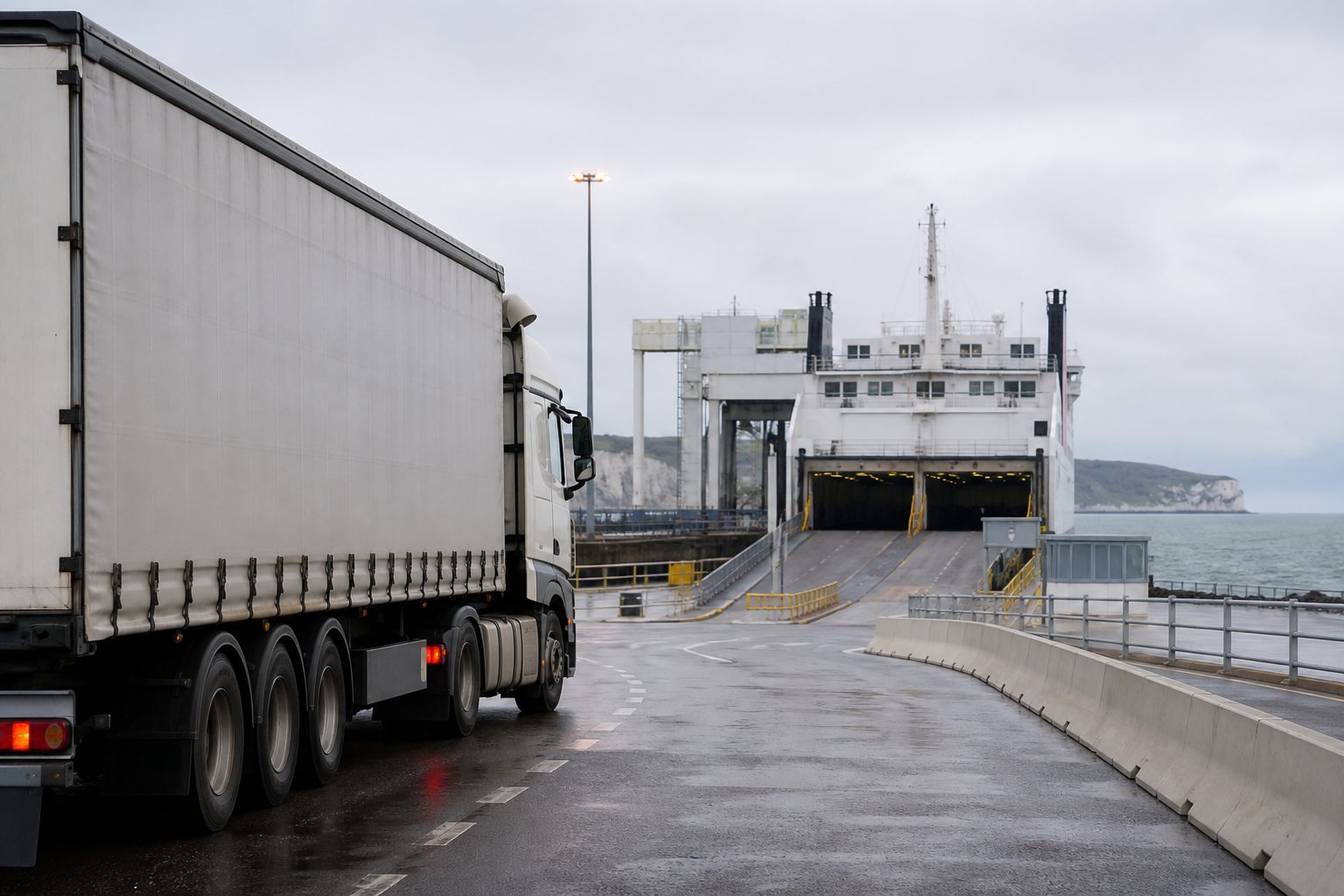
Under assimilated drivers’ hours rules, a driver may interrupt a regular daily rest (or, where the rules allow the ferry/train arrangement, a relevant rest linked to ferry/train travel) to embark or disembark a ferry or train — without automatically destroying the whole rest — if the legal conditions are met.
This article covers that ferry/train interruption only.
Conditions that matter
- You have access to a bunk or couchette for the rest connected with the crossing
- You may interrupt the rest at most twice (typically once to board and once to leave)
- The combined duration of those interruptions is no more than 60 minutes
- You record the special condition correctly on the tachograph (Ferry/Train)
- Outside those embark/disembark moves, you are on genuine rest
What the 60 minutes covers
The allowance is for the vehicle movements needed to get on and off — not a free hour of work or sightseeing at the port. Exceed two interruptions or exceed 60 minutes total and you lose the protection of the interruption rule for that rest.
Recording: Ferry/Train mode
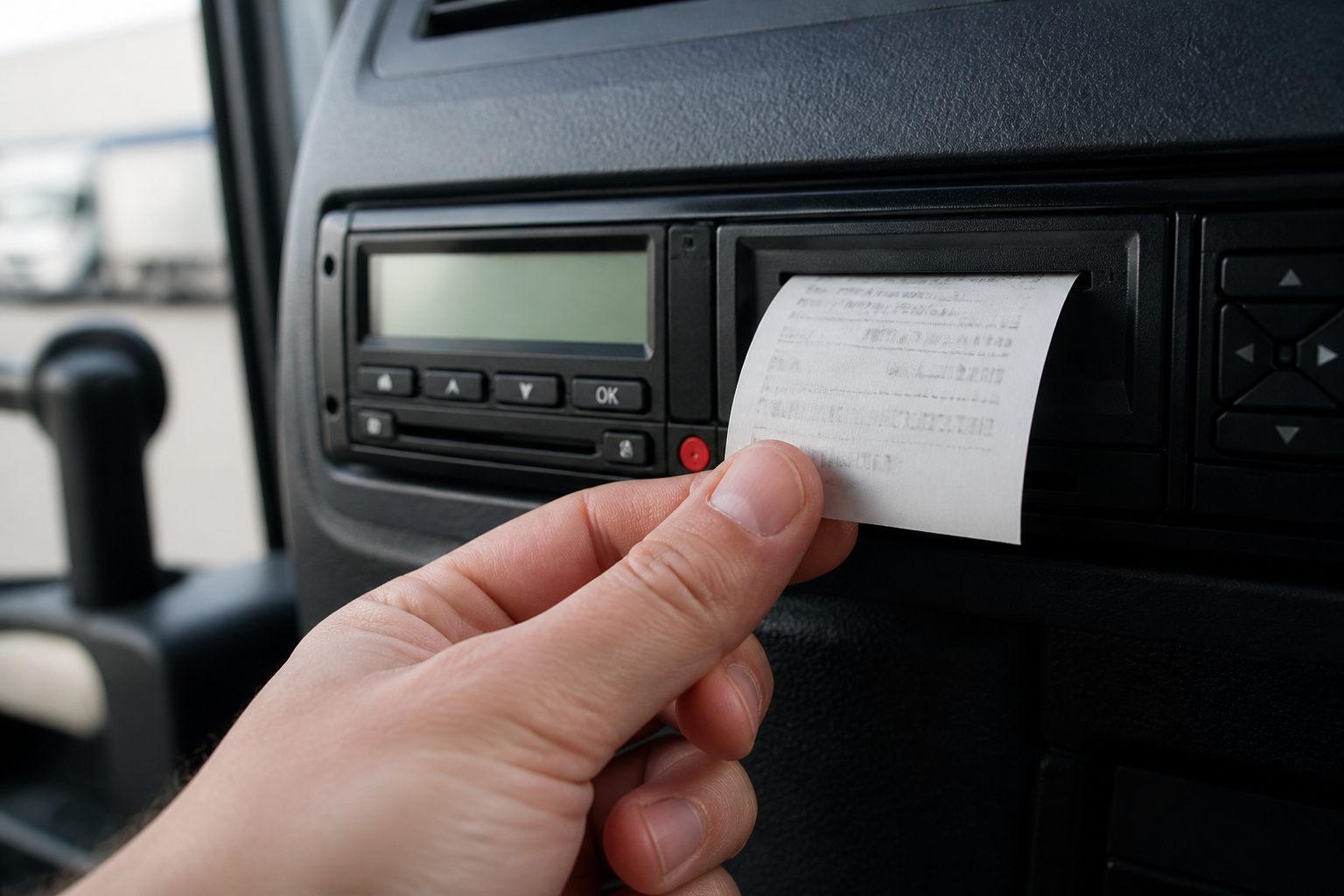
Smart/digital tachographs include a Ferry/Train special condition. Activate it in line with your unit’s procedure around the embark or disembark move — do not treat it as optional “nice to have” if you rely on the interruption. After you are parked on the vessel, return to rest for the crossing itself.
Menu paths differ by manufacturer (for example Places / vehicle-entry style menus). Know your unit before you reach the ramp.
Rest still has to add up
Interruption does not shrink the rest you owe. You still need the required length of qualifying rest around the crossing. Driving on and off is an interruption of that rest, not a substitute for missing hours.
Valid pattern (simplified)
- Rest while waiting where appropriate
- Activate Ferry/Train and move on board (interruption 1)
- Park, rest on board with bunk/couchette access
- Activate as required and move off (interruption 2)
- Complete any remaining rest if the schedule still requires it
Total embark/disembark driving under the interruption ≤ 60 minutes; no third “quick shuffle” that breaks the rule.
Invalid patterns
- No bunk/couchette access when the rule requires it
- Long port shunting counted casually as “ferry time” beyond 60 minutes
- Forgetting Ferry/Train and hoping the analyst will guess you were on a ship
- Using the ferry exception to do unrelated work mid-rest
Driver habit
Before the port: know whether this rest will rely on the ferry/train interruption. At the ramp: mode first, then move. On deck: rest mode, not “I’ll sort the chart in France”.


Comments
No comments yet. Be the first to comment.
Sign in to comment.
Sign in