Winter Driving for HGV Drivers: Ice, Snow, and Safe Decisions
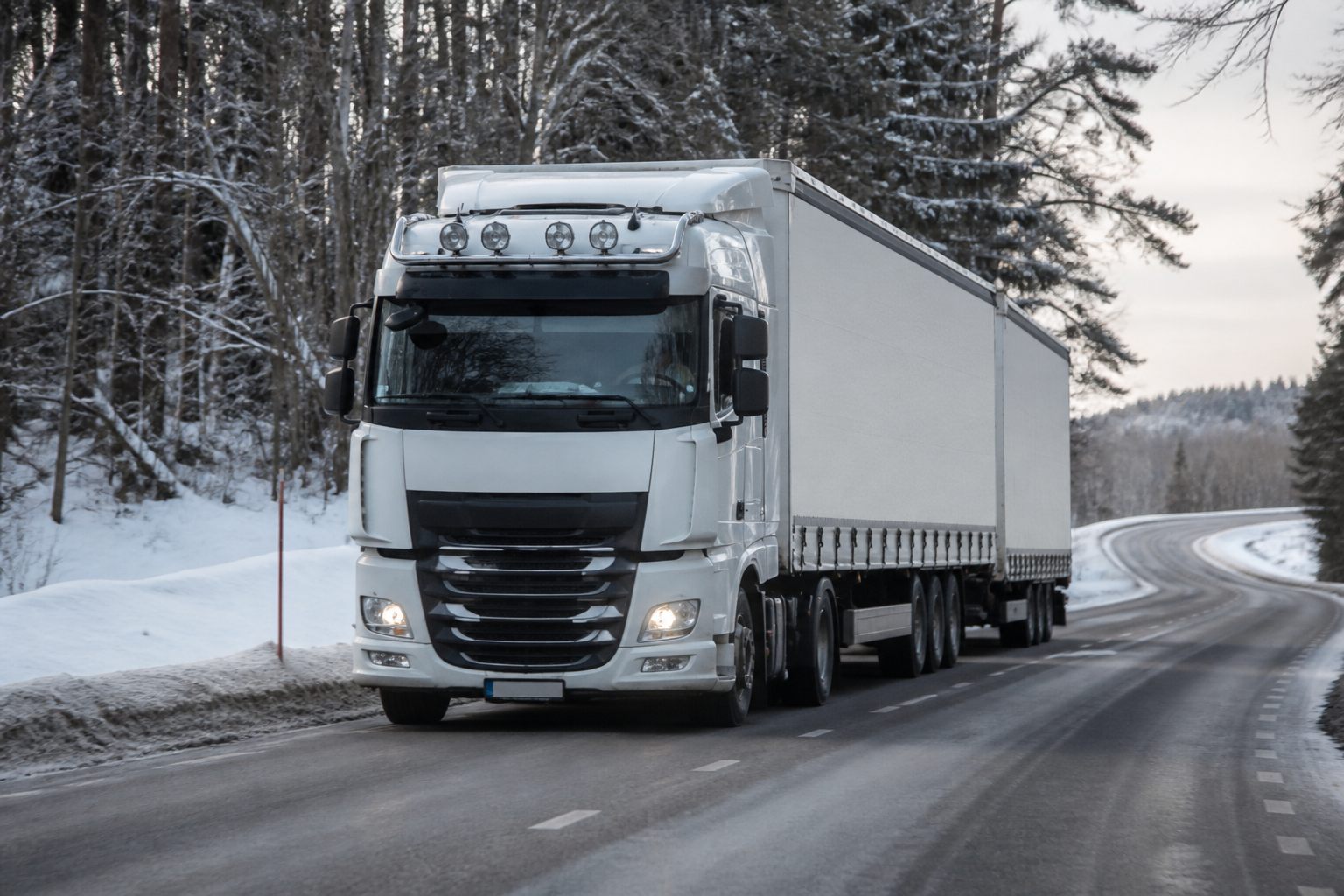
What this is about
Winter driving decisions for HGV drivers — ice, snow, frost, and when to stop or refuse. Tyre law detail and load securing stay in their own articles.
Before you leave
- Walkaround: lights, mirrors clear, steps not iced into a fall risk, wipers and washers working
- Know the route risks (exposed hills, untreated roads) from traffic / weather brief
- Confirm chains / winter kit only if your operator’s procedure and the law for that road require and allow them
On the move
- More space, earlier braking, smoother steering — especially empty or light on drive axles
- Treat bridges, shaded cuttings, and early morning as black-ice zones
- Do not let a following car push you above a safe speed for an artic
When to refuse or park up
If conditions make control unreliable or the operator’s winter policy says stop, say so early. Sitting in a ditch does not protect the customer’s KPI.
After a near-miss or incident
Report it. Do not hide a jack-knife scare until the next driver inherits the same untreated yard exit.
Driver habit
Build winter into the plan: leave margin in the schedule in your head even when the office has not. The safest winter skill is saying “not yet”.
What to remember
Winter does not rewrite drivers’ hours, but it does rewrite safe speed and whether the job should start. Space, brakes, and an early call beat heroics on black ice.
Read the article through before you apply the rule on the road. Figures and exceptions change. If your operator’s procedure or a roadside check says something different from a web summary, follow the written procedure and official sources (DVSA, DVLA, GOV.UK, and the regulation that applies).
For “Winter Driving for HGV Drivers: Ice, Snow, and Safe Decisions”, keep the practical chain: check before you leave, record correctly on the tachograph or in documents, tell planning when something does not add up, and do not move the vehicle if you know it is illegal or unsafe.
If a colleague, customer or short message asks you to skip a check, ask for it in writing. Stopping on time and a call to the desk costs less than a penalty, a prohibition, or a collision.
Comments
No comments yet. Be the first to comment.
Sign in to comment.
Sign in