Abnormal Loads Overview: What HGV Drivers Should Know
What this covers
A driver overview of abnormal / special loads. This is not STGO training and not a substitute for the brief your operator must give for that movement.
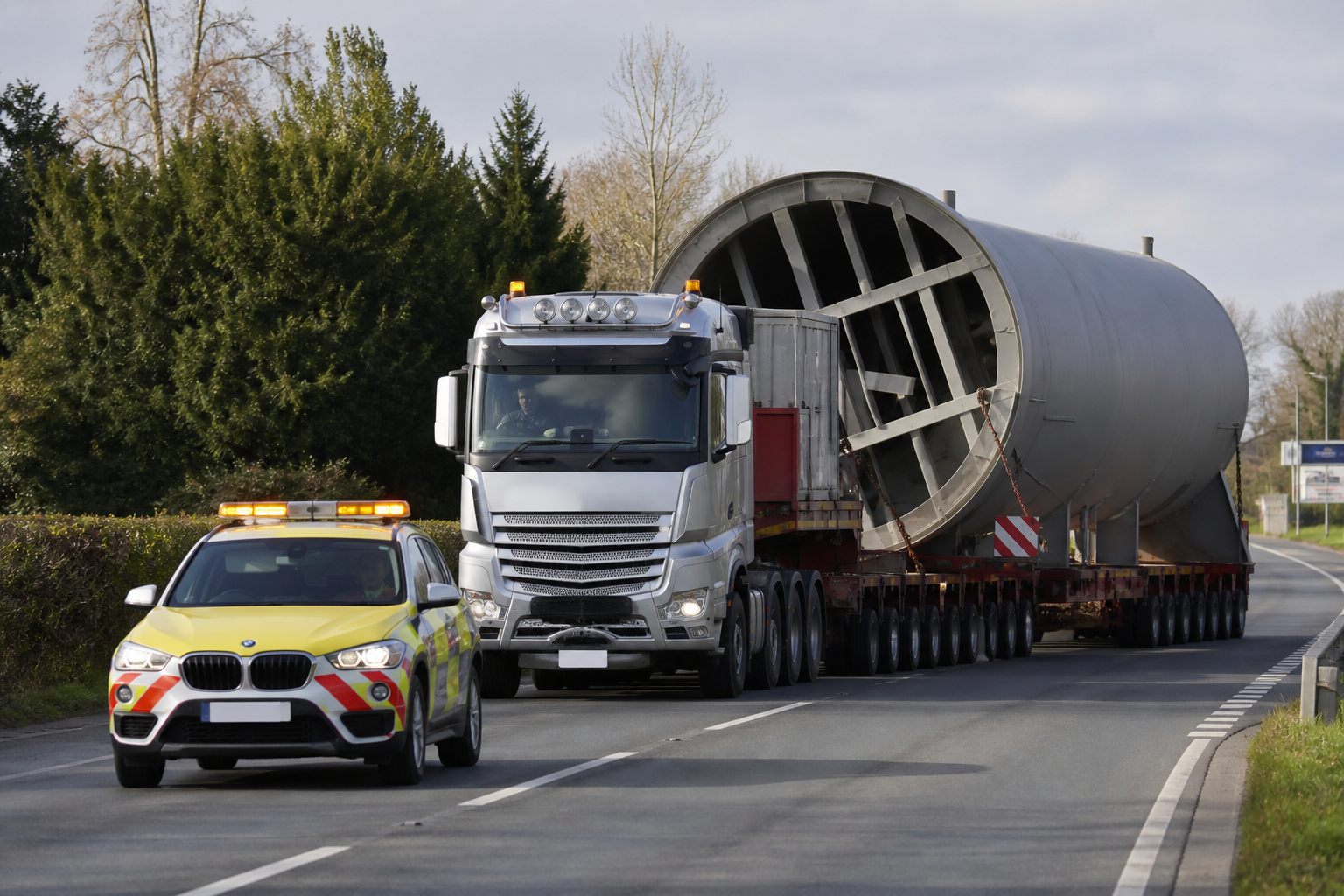
What “abnormal” usually means for you
- Dimensions or weight outside normal construction & use limits
- Possible need for notices, escorts, timing windows, and fixed routes
- Different speed and positioning expectations than trunking
Before you accept the job
- Confirm you are authorised and briefed for that move
- Know who the escort / attendee is and how you communicate
- Know the route restrictions (bridges, width limits, forbidden turns)
On the road
Follow the movement plan. Do not take a “shortcut” a sat-nav suggests if the notice and escort plan say otherwise. If something on the route has changed (temporary lights, roadworks), stop safely and call control.
If you are not briefed
Refuse to leave. An oversized load without a plan is a bridge strike and a court case waiting to happen.
Driver habit
Treat every abnormal job as a project, not a normal shift. Questions before coupling beat excuses after a strike.
What to remember
If the load is wider, longer, or heavier than normal limits, assume special rules apply. Confirm paperwork, escorts, and route before you move — do not improvise.
Read the article through before you apply the rule on the road. Figures and exceptions change. If your operator’s procedure or a roadside check says something different from a web summary, follow the written procedure and official sources (DVSA, DVLA, GOV.UK, and the regulation that applies).
For “Abnormal Loads Overview: What HGV Drivers Should Know”, keep the practical chain: check before you leave, record correctly on the tachograph or in documents, tell planning when something does not add up, and do not move the vehicle if you know it is illegal or unsafe.
If a colleague, customer or short message asks you to skip a check, ask for it in writing. Stopping on time and a call to the desk costs less than a penalty, a prohibition, or a collision.

Comments
No comments yet. Be the first to comment.
Sign in to comment.
Sign in