Speed Limiters on HGVs: What Drivers Must Not Tamper With
What this is about
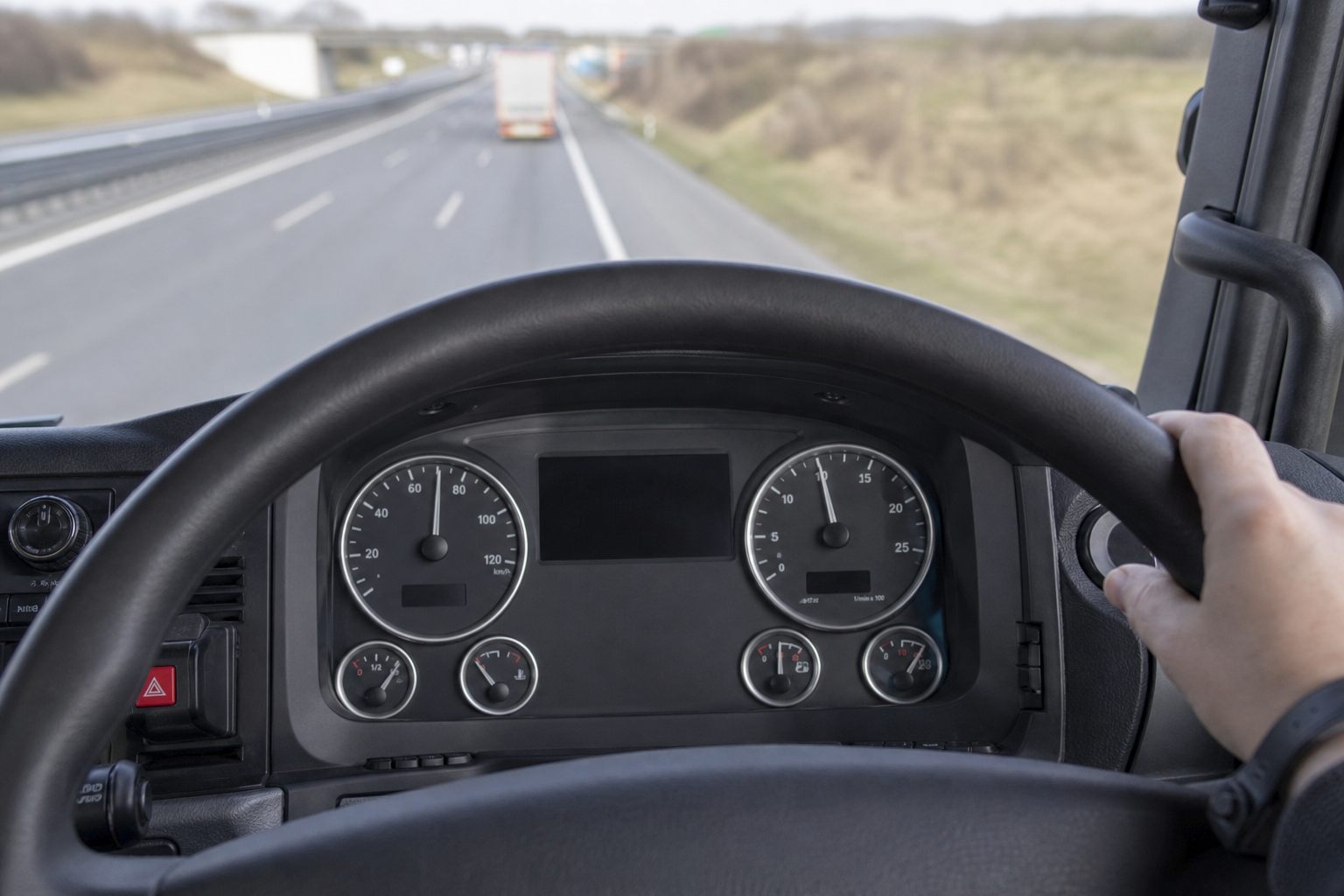
Speed limiters fitted to goods vehicles that require them. This is not a general speeding article for cars, and not a workshop calibration manual.
Why it matters to drivers
At checks and after incidents, a disabled or bypassed limiter is treated as serious. Even if someone else “sorted it”, you are the one behind the wheel when the evidence appears.
What you must not do
- Fit, request, or use devices / codes that defeat the limiter
- “Help” a mate by sharing a workaround
- Ignore a sudden change in governed speed without reporting it
If the limiter feels wrong
Report it through defect / workshop channels before the next loaded run if possible. Do not “test” illegal speeds to prove a point on the public road.
Road speed vs limiter
The limiter caps maximum speed; it does not excuse speeding below that cap in lower limits, roadworks, or poor conditions. You still choose a safe speed for the road.
Driver habit
Assume every cab camera and every DVSA stop can ask whether the vehicle is still limited as required. Keep your hands off the hardware and your name off the tampering story.
What to remember
The limiter is a legal device, not a suggestion. Tampering, bypass tricks, or ignoring a fault can cost you and the operator far more than arriving a few minutes later.
Read the article through before you apply the rule on the road. Figures and exceptions change. If your operator’s procedure or a roadside check says something different from a web summary, follow the written procedure and official sources (DVSA, DVLA, GOV.UK, and the regulation that applies).
For “Speed Limiters on HGVs: What Drivers Must Not Tamper With”, keep the practical chain: check before you leave, record correctly on the tachograph or in documents, tell planning when something does not add up, and do not move the vehicle if you know it is illegal or unsafe.
If a colleague, customer or short message asks you to skip a check, ask for it in writing. Stopping on time and a call to the desk costs less than a penalty, a prohibition, or a collision.
Comments
No comments yet. Be the first to comment.
Sign in to comment.
Sign in