Marker Boards and Projections on HGV Loads
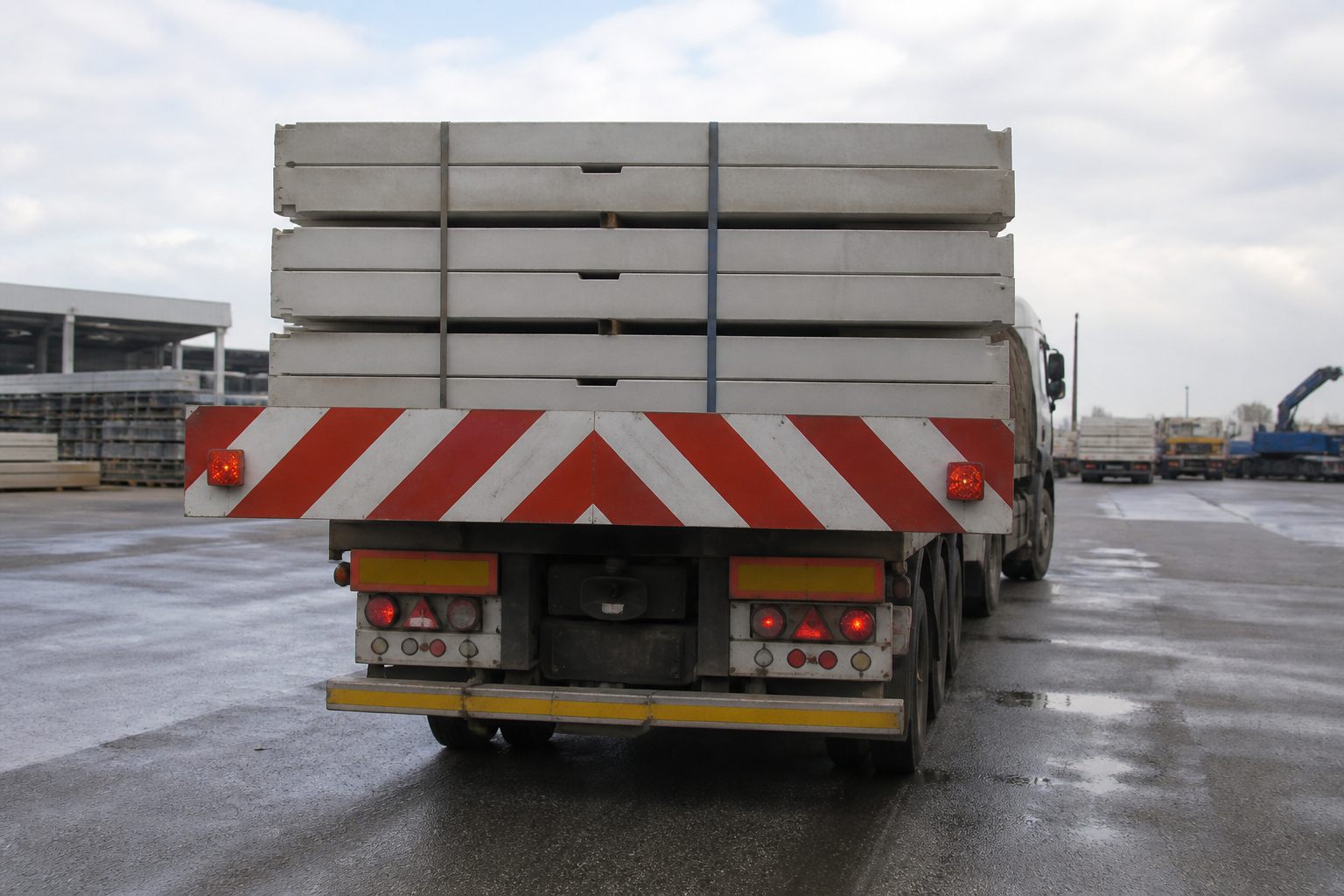
What this is about
Marking projecting loads on goods vehicles — marker boards and related visibility requirements at driver level. Full abnormal-load escorts are a separate overview article.
Why officers care
An unmarked or poorly marked overhang is hard for other road users to judge at night and in rain. It is also an easy compliance fail at a stop.
Driver checks before departure
- How far does the load project beyond the front, rear, or sides?
- Are the correct boards / markers fitted, clean, and secure?
- Are lights and reflectors still visible and working around the projection?
If the warehouse “forgot” the boards
Do not leave. Get the right kit fitted or refuse the job until compliance is restored. Tape and a shopping bag are not a marker board.
On the road
Allow extra space when turning and at roundabouts — projections swing wider than the cab feels. Re-check boards after a rough yard or motorway miles if they can work loose.
Driver habit
Make projection marking part of the same glance as twist locks and straps. If it sticks out, ask “is it marked?” before “where’s the gate?”
What to remember
If the load sticks out beyond the vehicle, assume it may need proper marking. Check length and side projections before you leave — unmarked overhangs are easy roadside stops.
Read the article through before you apply the rule on the road. Figures and exceptions change. If your operator’s procedure or a roadside check says something different from a web summary, follow the written procedure and official sources (DVSA, DVLA, GOV.UK, and the regulation that applies).
For “Marker Boards and Projections on HGV Loads”, keep the practical chain: check before you leave, record correctly on the tachograph or in documents, tell planning when something does not add up, and do not move the vehicle if you know it is illegal or unsafe.
If a colleague, customer or short message asks you to skip a check, ask for it in writing. Stopping on time and a call to the desk costs less than a penalty, a prohibition, or a collision.

Comments
No comments yet. Be the first to comment.
Sign in to comment.
Sign in