ADR Basics for HGV Drivers: What the Orange Plates Mean

What this covers
A driver introduction to ADR (dangerous goods by road). This is not a full ADR course and not a substitute for the certificate your operator requires for that class of load.
What orange plates signal
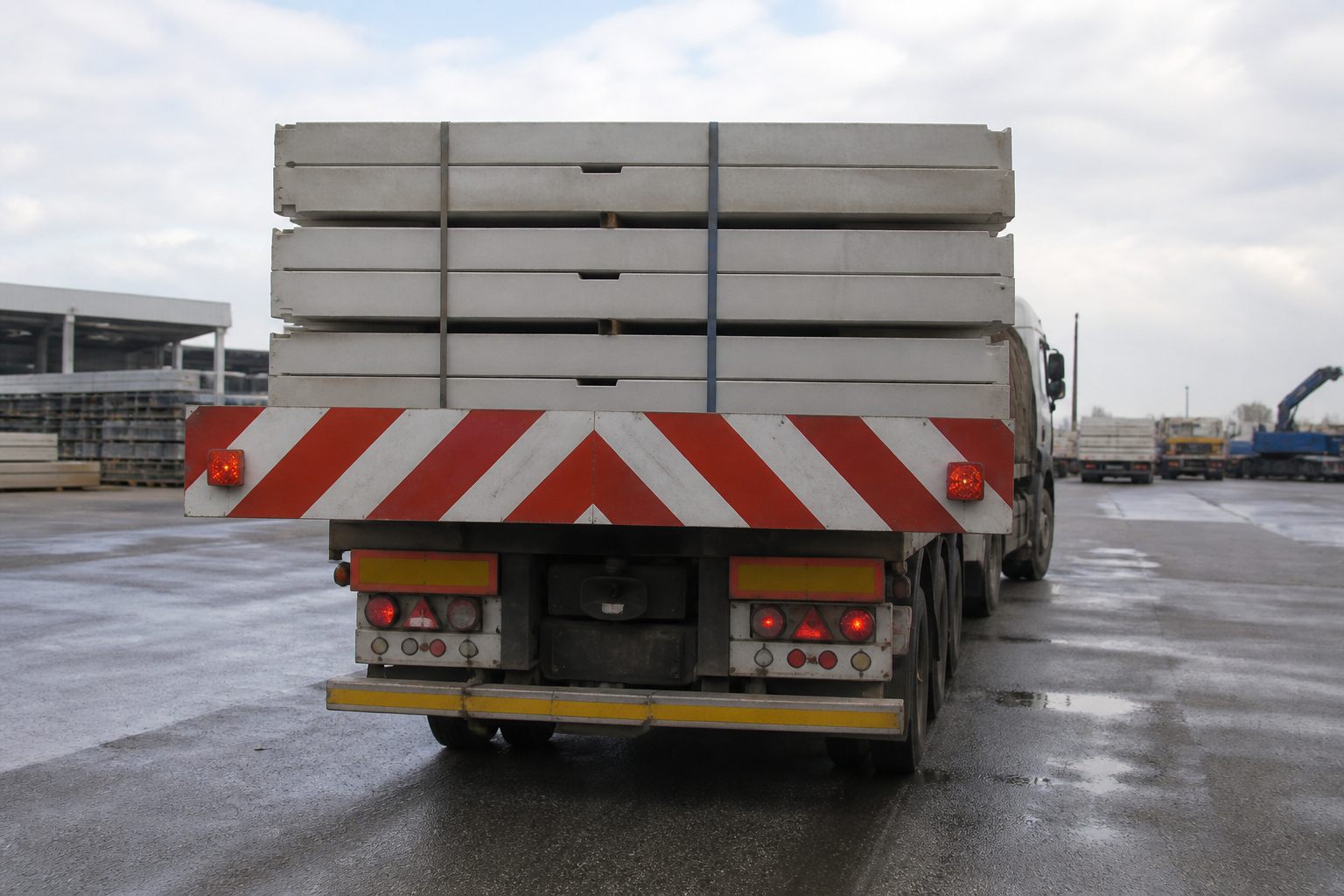
Orange plates (and related marks / placards) tell other road users and emergency services that the vehicle is carrying dangerous goods under the rules that apply. If you see them on your allocated trailer, assume ADR rules may apply until traffic confirms otherwise.
Before you accept the job
- Confirm you hold a valid ADR qualification covering what is asked
- Confirm instructions, documents, and equipment match the load (as your company procedure requires)
- If anything is unclear — class, paperwork, kit — stop and ask before you couple and leave
What drivers often get wrong
- Treating “just a few packages” as outside the rules without checking exemptions properly
- Moving a plated vehicle without knowing what is in it
- Assuming agency work somehow skips ADR training requirements
If you are not trained for it
Refuse. Moving dangerous goods without the required training and papers is not a favour to the warehouse — it is a career and safety risk.
Driver habit
When you see orange, slow the process down. Identity of the load first; keys second.
What to remember
Orange plates are not decoration. If the load is under ADR, you need the right qualification, equipment, and paperwork — or you refuse the job.
Read the article through before you apply the rule on the road. Figures and exceptions change. If your operator’s procedure or a roadside check says something different from a web summary, follow the written procedure and official sources (DVSA, DVLA, GOV.UK, and the regulation that applies).
For “ADR Basics for HGV Drivers: What the Orange Plates Mean”, keep the practical chain: check before you leave, record correctly on the tachograph or in documents, tell planning when something does not add up, and do not move the vehicle if you know it is illegal or unsafe.
If a colleague, customer or short message asks you to skip a check, ask for it in writing. Stopping on time and a call to the desk costs less than a penalty, a prohibition, or a collision.

Comments
No comments yet. Be the first to comment.
Sign in to comment.
Sign in