Hard Shoulder and Emergency Refuge Areas: When HGV Drivers May Stop
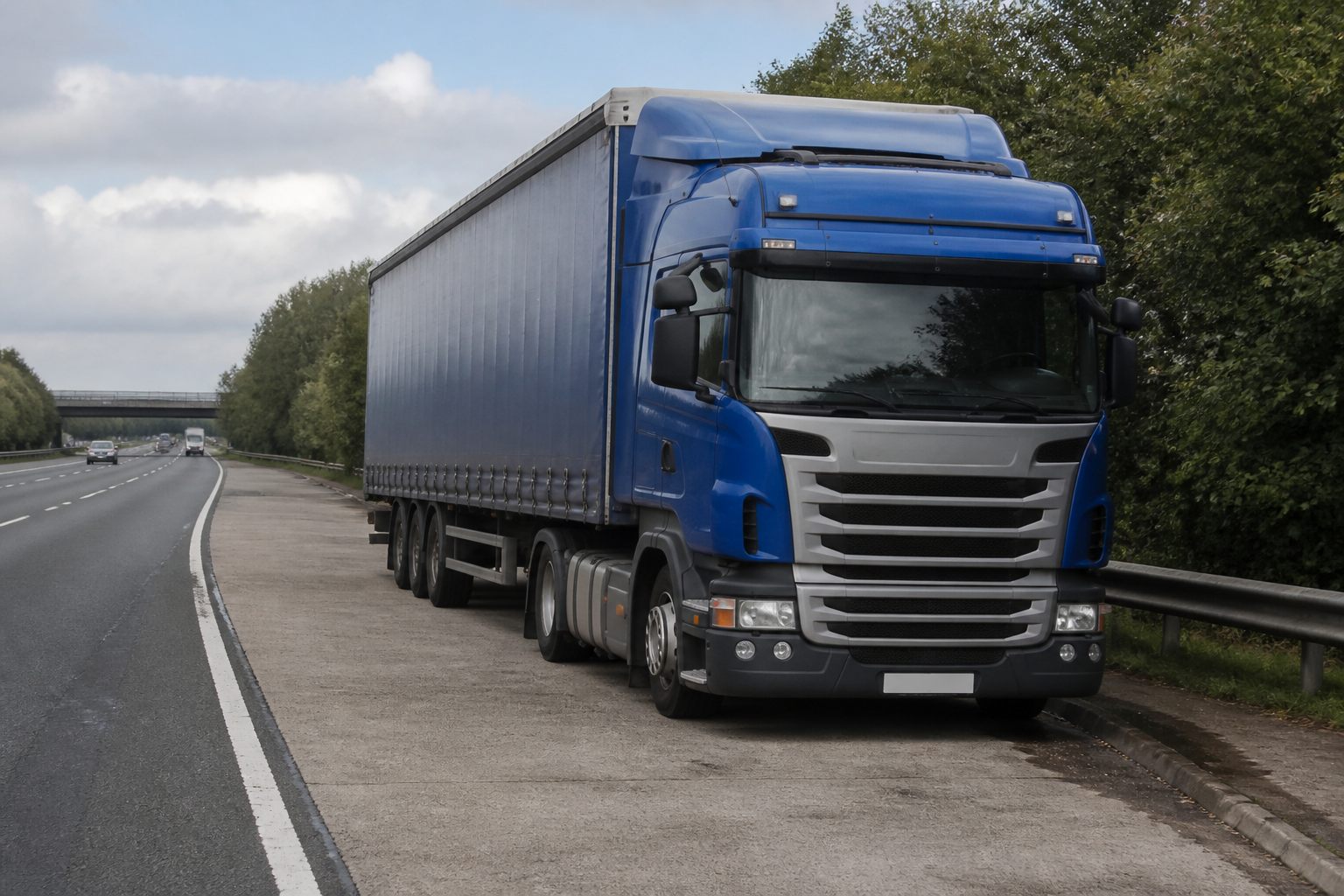
What this covers
When you may stop on a motorway hard shoulder or in an emergency refuge area (ERA), and what to do next. Smart-motorway design details vary by stretch; follow signs and official guidance for that road.
Legitimate reasons (typical)
- Breakdown / safety-critical fault
- Illness or other genuine emergency
- Directed to stop by police / traffic officers / signs
A planned break belongs in a services or approved parking area — not the live-lane edge.
If you have to stop
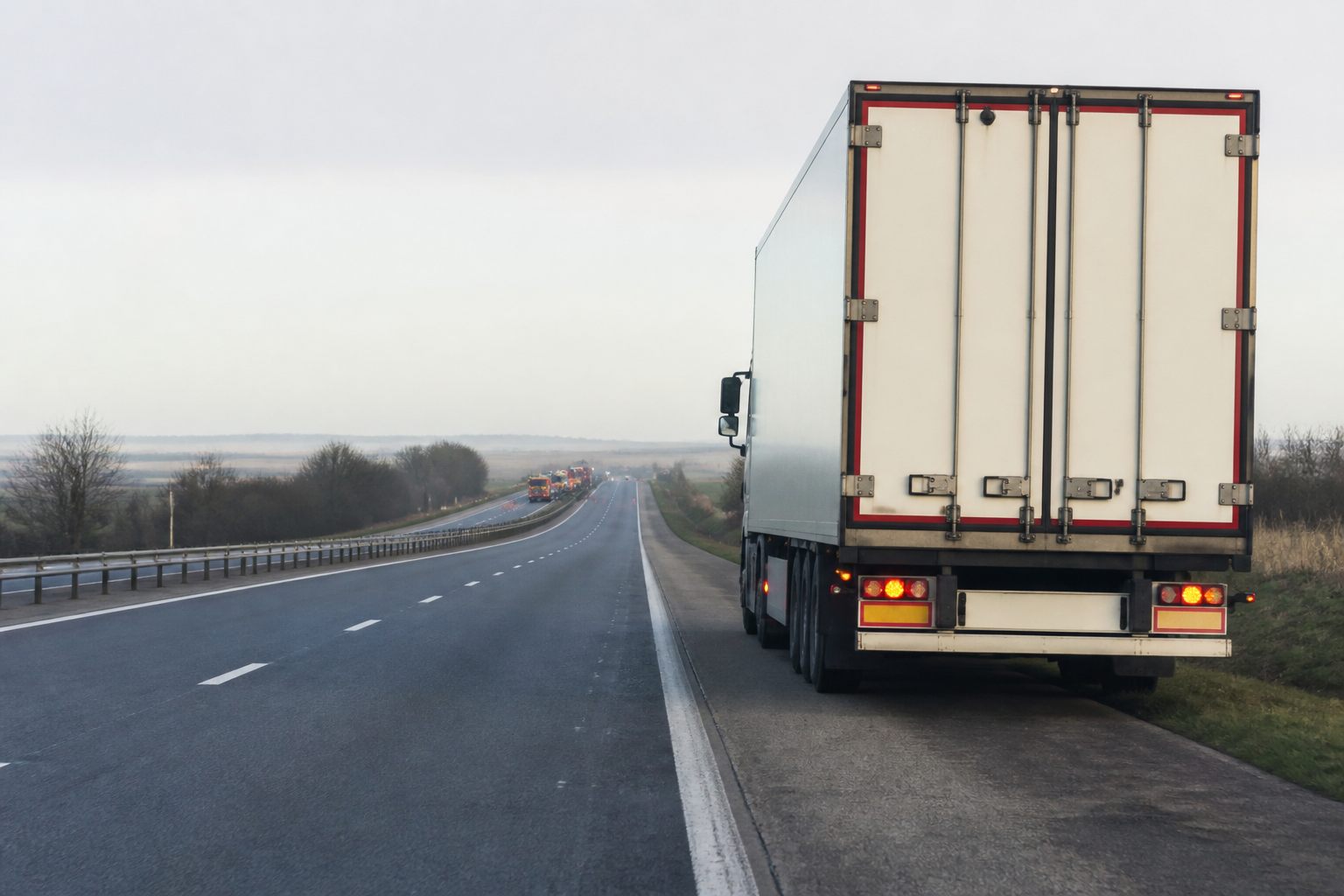
- Use an ERA if one is available and reachable safely; otherwise hard shoulder only if that is the safe option for your situation
- Hazard lights; exit on the safe side if you leave the cab; wear high-vis
- Call for recovery / operator / emergency help early — do not wait “five more minutes”
What not to do
- Sit on the hard shoulder to eat, sleep, or make non-urgent calls
- Walk on the carriageway side of the vehicle
- Ignore SOS / ERA phones when that is the instructed path
Driver habit
Fuel, fatigue, and minor defects get fixed before the motorway. The shoulder is a last resort, not a lay-by with better Wi-Fi.
What to remember
The hard shoulder and refuge areas are for emergencies and directed stops — not coffee, not phone calls, not “quick rest”. If you must stop, make the vehicle visible and get help early.
Read the article through before you apply the rule on the road. Figures and exceptions change. If your operator’s procedure or a roadside check says something different from a web summary, follow the written procedure and official sources (DVSA, DVLA, GOV.UK, and the regulation that applies).
For “Hard Shoulder and Emergency Refuge Areas: When HGV Drivers May Stop”, keep the practical chain: check before you leave, record correctly on the tachograph or in documents, tell planning when something does not add up, and do not move the vehicle if you know it is illegal or unsafe.
If a colleague, customer or short message asks you to skip a check, ask for it in writing. Stopping on time and a call to the desk costs less than a penalty, a prohibition, or a collision.

Comments
No comments yet. Be the first to comment.
Sign in to comment.
Sign in